Shofia Mind Typeface Review for Handmade Brands
I was sitting at my cutting mat, surrounded by a chaotic scatter of cardstock swatches and half-cut vinyl decals, trying to finalize the branding for a new line of artisanal soy candles. The wax smelled like lavender and vanilla, but the visual identity felt flat. My initial logo design relied on a standard script font that looked nice in Canva but lacked the organic, handcrafted soul I wanted for my boutique shop. That’s when I pulled up Shofia Mind, a stylish calligraphy script from Script Amp, and decided to test it out on my physical product mockups.
As a maker who spends hours designing labels, stickers, and packaging, I know that a typeface isn’t just about letters; it’s about the feeling it evokes before a customer even touches the product. Shofia Mind immediately caught my eye because of its varying baseline. Unlike rigid, uniform scripts that can feel stiff or corporate, this font breathes. It has a classic, flowing personality that mimics the natural rhythm of human handwriting without sacrificing legibility. After spending an afternoon testing it on various materials, here is how Shofia Mind performs in real-world handmade production.
The Visual Personality of Shofia Mind
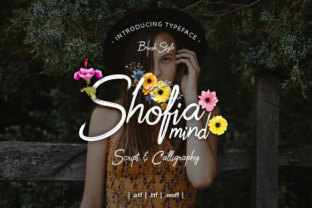
When you first open the font files, the charm of Shofia Mind is evident. It falls squarely into the category of a premium script font with a modern twist. The varying baseline creates a dynamic visual flow, giving your designs an editorial elegance that stands out on crowded marketplaces like Etsy or Shopify. It feels warm, inviting, and sophisticated—perfect for brands that want to communicate quality and care.
In terms of creative appeal, Shofia Mind strikes a balance between decorative flair and readability. It is not overly ornate or difficult to decipher, which is crucial for product labels where space is limited. The strokes have a consistent weight that holds up well when scaled down, yet retains enough detail to look luxurious when enlarged for signage or large-format prints. This versatility makes it a strong candidate for brand identity systems that need to span from tiny hang tags to large welcome boards.
Testing Shofia Mind on Physical Products
To truly understand how a font behaves outside of a digital screen, I put Shofia Mind through its paces on several common handmade products. Here is what I found during my production testing.
Candle Labels and Product Tags
I designed a circular label for my candle jars using Shofia Mind for the product name and scent profile. Because the font has a varying baseline, the text naturally curves around the circle in a way that feels intentional rather than forced. When printed on matte black sticker paper and applied to amber glass jars, the white ink contrasted beautifully against the dark background. The classic look of the script added a touch of vintage apothecary vibe that elevated the perceived value of the product. For short phrases like "Hand Poured" or specific scent notes, Shofia Mind shines. However, I avoided using it for the ingredients list, opting instead for a clean sans serif font for dense information to ensure customers could read safety warnings clearly.
Greeting Cards and Invitations
One of the most popular items in my shop is printable wedding stationery. I tested Shofia Mind on a digital invitation mockup intended for a rustic-chic wedding theme. The font’s signature-like quality made it perfect for the couple’s names at the top of the card. It looked as if a professional calligrapher had written it by hand. When paired with a simple serif font for the event details, the hierarchy was clear and visually pleasing. The varying baseline added movement to the layout, preventing the design from feeling too static. This pairing worked exceptionally well for digital downloads, as it allowed buyers to create high-end looking invitations without needing advanced design skills.
Stickers and Boutique Packaging
I also used Shofia Mind to design a sheet of die-cut stickers for my shop’s social media giveaways. Cutting these with a Cricut machine revealed an important technical detail: the thin connections in some of the script’s flourishes needed to be slightly thickened in the design file to prevent tearing during weeding. Once adjusted, the stickers came out crisp and clean. On kraft paper shipping boxes, I used the font for a custom "Thank You" stamp design. The classic look of Shofia Mind complemented the natural texture of the cardboard, reinforcing a cohesive, earthy brand aesthetic.
Readability and Production Considerations
While Shofia Mind is beautiful, every typeface has its limitations, especially when moving from digital design to physical manufacturing. As a maker, I always consider how the font will translate to different mediums.
- Small Stickers and Tiny Labels: If you are designing very small stickers (under 1 inch), Shofia Mind might become hard to read. The varying baseline and delicate loops can blur together when scaled down too much. For micro-labels, I recommend using the bold weights of the font or switching to a simpler handwritten font.
- Dense Text Areas: This is a display font, not a body font. Do not use Shofia Mind for long paragraphs of text, such as product descriptions on packaging or detailed instructions on inserts. It causes eye strain and reduces accessibility. Always pair it with a highly readable sans serif or serif font for supporting text.
- Cutting Machine Precision: When creating SVG files for vinyl cutting, always check the cut lines. Decorative scripts often have overlapping paths that can confuse cutting software. I found that simplifying some of the ligatures in the design phase resulted in cleaner cuts and less wasted vinyl.
Font Pairing for Brand Consistency
One of the biggest challenges in handmade branding is maintaining consistency across multiple products. Shofia Mind works best when it is not alone. I found that pairing it with a clean, geometric sans serif font created a perfect balance. The sans serif provided structure and clarity, while Shofia Mind added personality and warmth. This combination is ideal for modern typography trends seen in boutique online stores and creative portfolios.
For a more traditional or editorial look, pairing Shofia Mind with a classic serif font can evoke a sense of heritage and trust. This pairing is excellent for wedding stationery, luxury packaging, and formal invitations. The key is to let Shofia Mind be the star for headlines, logos, and signatures, while letting the secondary font handle the heavy lifting of information delivery.
Commercial Licensing and Digital Assets
Before selling any products featuring Shofia Mind, it is essential to review the commercial font licensing agreement from Script Amp. Most premium fonts require a specific license for physical goods, digital templates, and merchandise. Understanding these terms protects your business and ensures you are using the typeface ethically. Additionally, check the included styles, alternates, and swashes. Using the varied glyphs available in Shofia Mind can add unique touches to your designs, making each product feel custom-made.
In conclusion, Shofia Mind is a versatile and charming typeface that brings a classic, elegant touch to handmade products. Whether you are designing candle labels, wedding invitations, or digital printables, this font helps elevate your brand identity. By understanding its strengths in display use and its limitations in dense text, you can create cohesive, professional-looking designs that resonate with your customers. For makers who want to add a touch of handwritten sophistication to their shop, Shofia Mind is definitely worth adding to your design assets library.